
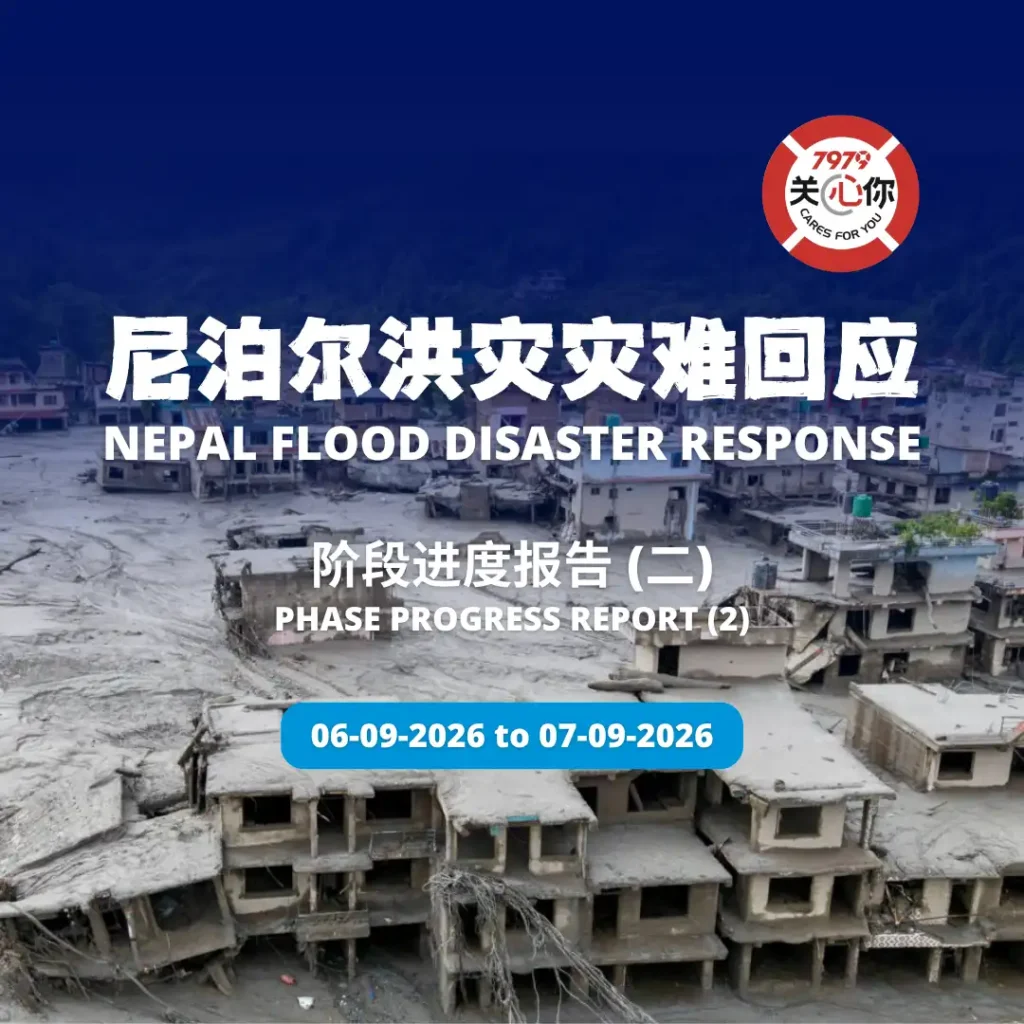
尼泊尔洪灾灾难回应 · 阶段进度报告(一)
本报告整合7979顾问Eddy Hew于9月6-7日在Bidur、Trishuli Market、Devighat Market及Shree Chandrajyoti Secondary School的完整现场记录,以及MCDS于9月7日提供的最新灾情数据,作为这两天行动的完整阶段汇报。
一、MCDS最新现场数据(截至9/7)
MCDS的救援工作聚焦在Bidur Municipality第5区(Nuwakot),重点区域为Devighat Market——因为这里道路可通行,也是大多数撤离者被安置的地方。
安置中心数量: 24个
安置中心总人数: 2,796人
根据当地Ward代表Binod Tamrakar表示,安置中心预计还会运作10至15天,之后地方政府会安排帐篷社区或提供搬迁补偿。
第5区受灾家庭现况
- 25%住户:已迁往加德满都等地
- 25%住户:在Bidur Municipality租房居住
- 50%住户:目前仍住在安置中心
安置中心450户细分
- 红卡(Red Card)248户:房屋、土地、财产全数被洪水冲走
- 蓝卡(Blue Card)202户:房子还在,但生计(商业、农地)被冲毁
- 当中约40-45户为贫民窟住户
目前物资状况
食物与衣物:目前供应足够。
最迫切需求:煤气炉、煤气罐及厨房用具。市场上煤气炉短缺,且当地约一半地区尚未恢复供电,感应炉并不实际。
恢复与过渡安排
地方政府已选定土地设置帐篷社区,当地军营也备有足够帐篷可供调用。NBCC/MCDS也将在Trishuli与Devighat之间、由Pastor Ramhari负责的Nawa Jyoti Baptist Church设立为过渡安置点(transit house),提供受灾社区、来访牧者及教会领袖临时住宿。
已完成成果
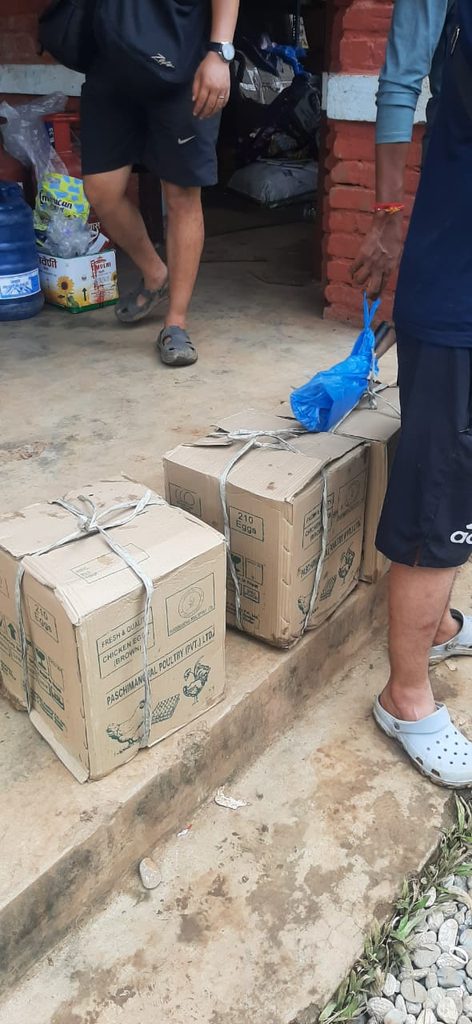
8月30日,MCDS已优先为248户红卡家庭中的150户发放衣物,衣物依各家庭成员尺寸配套准备。行动期间共进行了4次现场访视,由NBCC/MCDS资深领袖、DRR(灾害风险减缓)专责人员、职员、技术人员及志工共同参与。9月6日,MCDS也为安置中心的家庭送上鸡蛋,补充蛋白质来源。
二、两个重灾区现场纪实
Trishuli Market(Bidur受灾最严重地区)
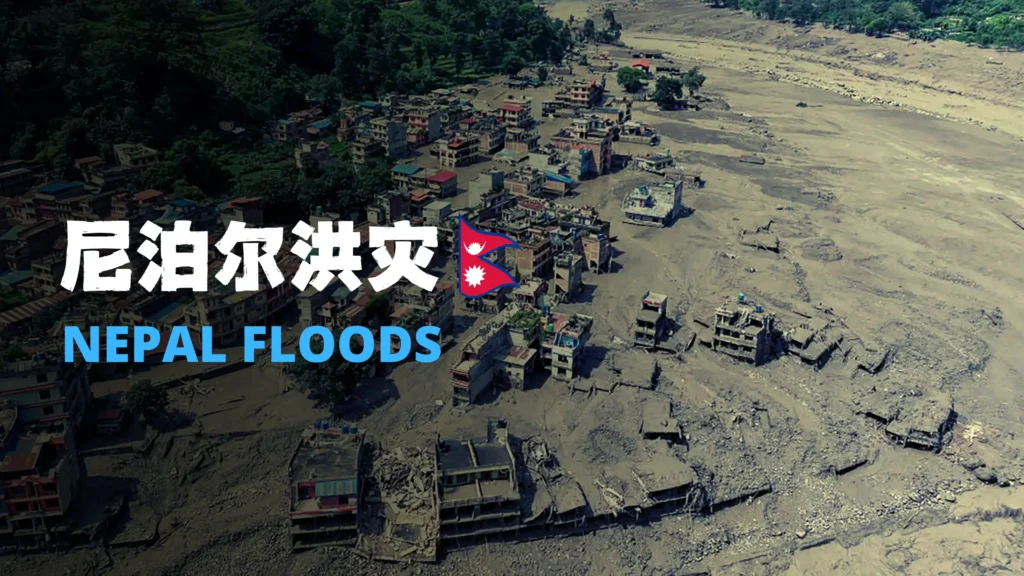
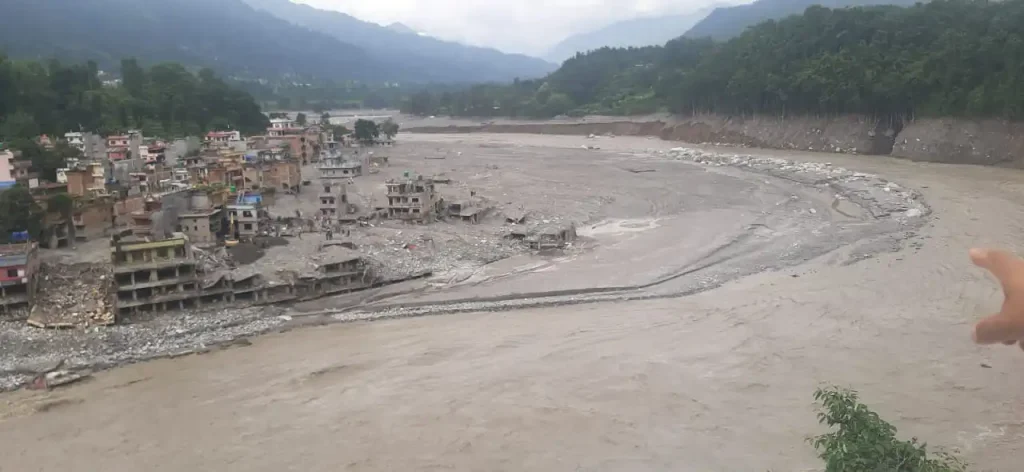
9月6日,Eddy随MCDS团队首先前往Trishuli Market——这是Bidur受灾最严重的地区,许多居民不幸在这场灾难中罹难。2026年8月26日,尼泊尔北部 Bhote Koshi 与 Trishuli 河流域发生严重洪灾及土石流,Rasuwa、Nuwakot、Dhading等地区受到严重影响。



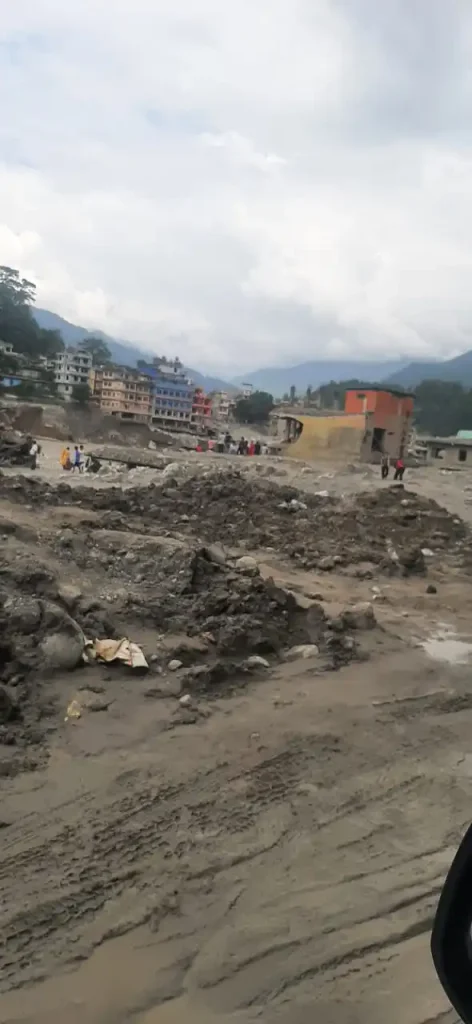
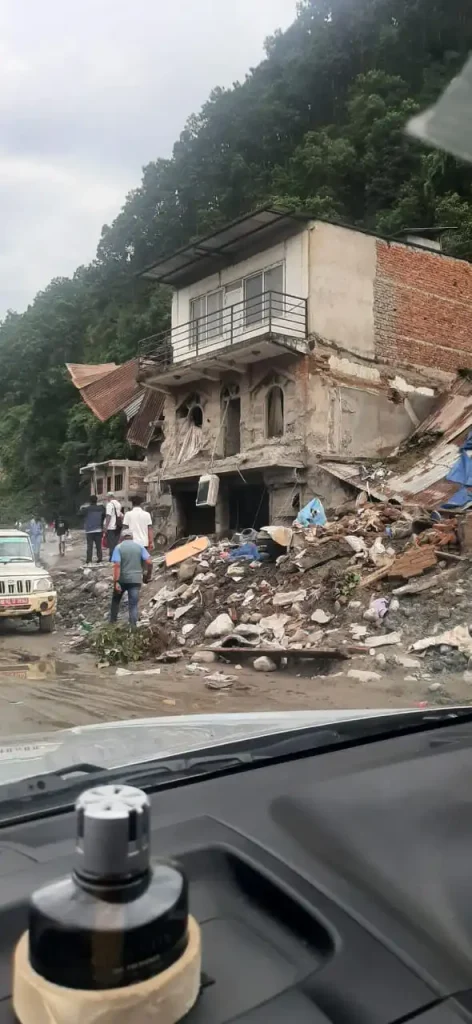
桥梁与河道残迹
洪水退去后,多处桥面与道路结构断裂沉入河床,道路无法通行。
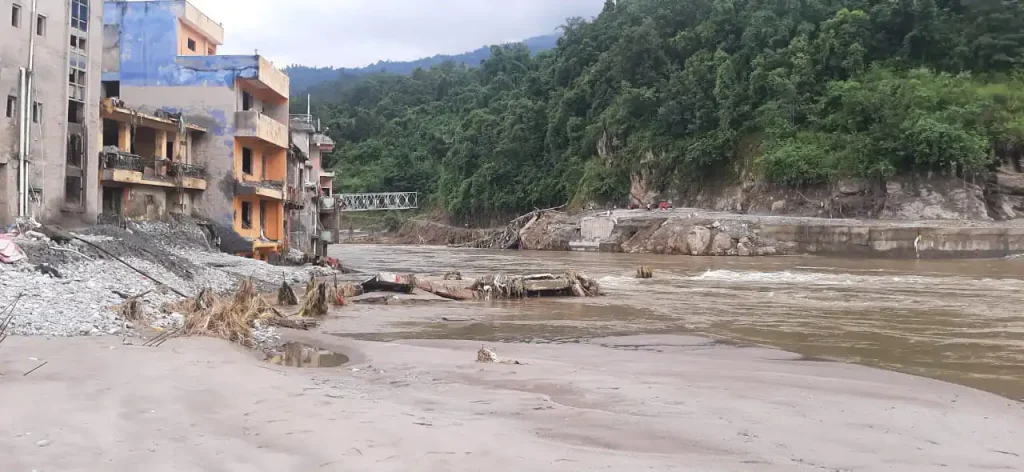

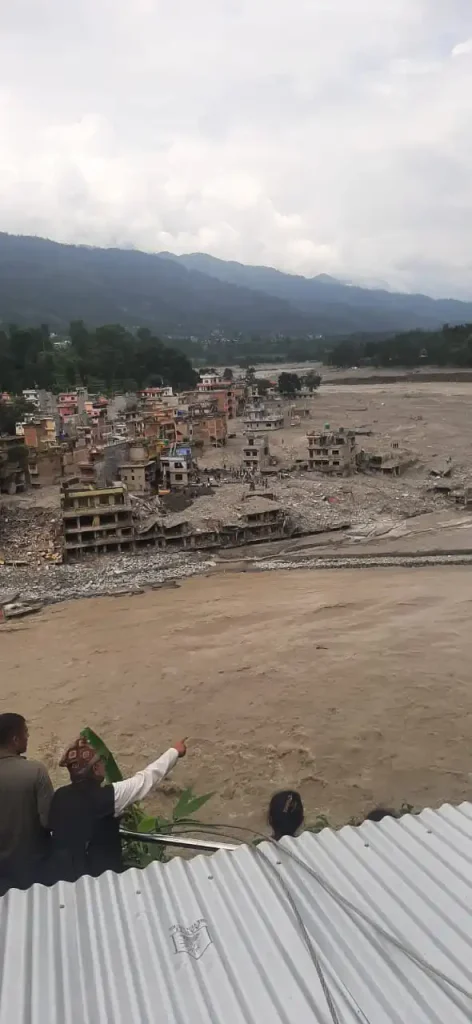
Devighat Market(MCDS主要项目区,受灾程度第二)
团队随后前往Devighat Market。这里受灾程度仅次于Trishuli,但大多数居民及时跑到高处逃生,伤亡因此相对较少。此区原有约200户房屋,如今全数被冲毁。撤离民众目前暂时安置在Shree Chandrajyoti Secondary School,约450人,预计只能待到下周。这里正是MCDS目前的主要项目聚焦区域。


三、临时收容:Shree Chandrajyoti Secondary School
Devighat撤离民众目前暂时安置在Shree Chandrajyoti Secondary School,约450人。校园除了作为住宿空间,也设有物资集散与服务点,并提供儿童及妇女的心理支持服务。


四、地质松软:行走与运输的挑战
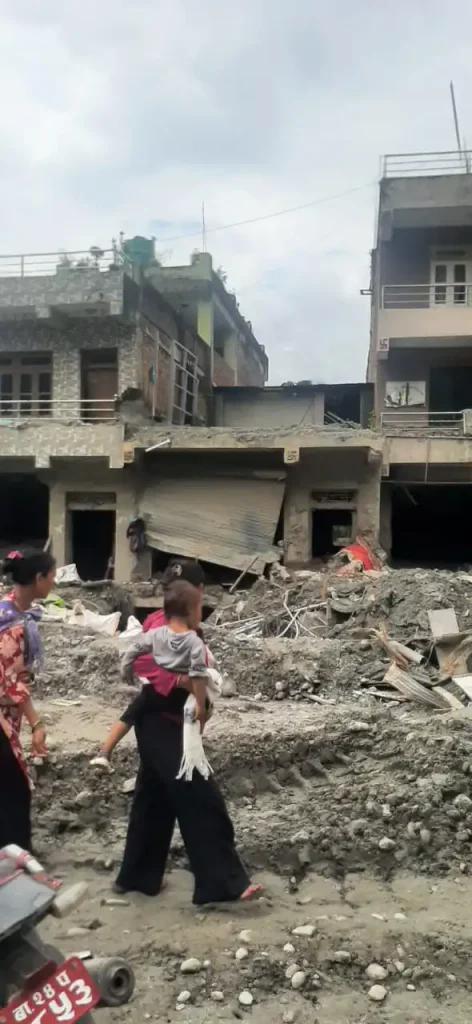
9月7日,团队沿河谷步道持续巡查,现场泥砂地质松软,行走时鞋子会明显下陷;车辆通行也十分困难,这也是为什么道路恢复、物资运输及后续安置工作仍然困难重重。


五、关键基础设施损毁
根据Eddy现场了解,此次洪灾对当地交通造成严重打击:
- Trishuli Bazaar:新、旧两座主要桥梁均被冲毁
- Tupche与Devighat沿线:Trishuli河桥(Tupche)、Simchaur桥,以及Devighat周边多处构造物(包括Middle Hill Highway桥梁及水渠交会处)皆完全损毁
由于此次灾害同时影响Trishuli河沿岸多个地区、偏远社区及水力发电项目,当局目前公布的是全国累计死亡与失踪人数,而非针对Trishuli Bazar单一地区的最终数字——这也是为什么现场暂时无法提供该地区精确的罹难人数。
六、物流:河况持续影响配送
原有桥梁多处被冲毁后,人员与物资的往来更加困难,部分地点须以简易缆索或篮车方式渡河,后续的物资配送安排仍会持续受到河况影响。

七、现场巡查
9月6-7日期间,Eddy持续在Bidur周边多处受灾街区来回巡查,掌握第一线最新状况。


-1024x472.webp)
八、Eddy后续安排:延长留守、扩大访察
鉴于灾区情况变化极快,Eddy决定延长留在Bidur约一周,与当地团队一起行动,以便随时掌握最新需求。Bidur目前是重灾核心区撤离民众主要安置、也是陆路尚能抵达的最前线;再往灾区深入,仍需仰赖直升机运送人员与物资,现场直升机频繁起降,宛如战区。
9月7日,团队前往一处名为Vaise的新地点评估需求——这是一座位于通往中国公路旁的重要城镇。由于当地不通公路,团队需沿着河岸泥地攀爬进出;最终因当地牧者建议还需再走一小时路程才能抵达,考量安全后决定折返,留待下次再访。
九、下一步:煤气炉发放计划
根据MCDS的评估,安置中心目前最迫切的需求是煤气炉、煤气罐及厨房用具——这也是7979与MCDS讨论后,下一阶段准备优先推进的项目。
发放数量: 450台
这个数字对应的正是目前安置中心的450户家庭,也就是希望能做到每户一台煤气炉的覆盖目标。
预估费用: 每台约RM60起
实际价格会依新一批从印度运抵的货源价格而有所浮动;以450台估算,初步预算至少需要RM27,000,若价格上涨则需要相应调整。
仍需留意的事项
- MCDS原本提出的需求是「煤气炉+煤气罐+厨房用具」三项一起,煤气炉发放后,煤气罐及厨房用具的后续需要仍需一并考虑
- MERCY Malaysia也计划在当地发放煤气炉,7979将透过MCDS的在地协调,了解彼此负责的区域与对象,避免资源重复,让援助更有效率地覆盖不同社区
- Vaise及其他尚未评估地区的后续访察,将于团队一周驻点期间持续进行
资料来源
现场记录、照片与对话纪要由7979顾问Eddy Hew于2026年9月6-7日在Bidur、Trishuli Market、Devighat Market及Shree Chandrajyoti Secondary School现场提供;并参考NBCC/MCDS Situation Report as of 7 Sept 2026。
备注: 灾情及需求评估持续更新,后续内容可能调整。本报告为9月6-7日阶段完整版,整合先前分次发布的相关更新。
Nepal Flood Disaster Response · Phase Progress Report (2)
This report consolidates the complete field records of 7979 consultant Eddy Hew from 6–7 September in Bidur, Trishuli Market, Devighat Market and Shree Chandrajyoti Secondary School, together with the latest disaster data provided by MCDS on 7 September, as a full progress update on the activities carried out over these two days.
1. Latest MCDS Field Data (as of 7 September)
MCDS’ relief efforts are focused on Ward No. 5 of Bidur Municipality, Nuwakot, with Devighat Market as the key operational area, as roads remain accessible there and most evacuees have been accommodated in this location.
Number of evacuation centres: 24
Total number of people in evacuation centres: 2,796
According to local Ward representative Binod Tamrakar, the evacuation centres are expected to remain in operation for another 10 to 15 days. After that, the local government will either establish tent communities or provide relocation compensation.
Current Situation of Affected Families in Ward No. 5
- 25% of households: Have relocated to Kathmandu and other areas
- 25% of households: Are renting accommodation within Bidur Municipality
- 50% of households: Are still staying in evacuation centres
Breakdown of 450 Households in Evacuation Centres
- Red Card — 248 households: Their homes, land and property were completely washed away by the floods
- Blue Card — 202 households: Their houses remain standing, but their livelihoods, including businesses and farmland, were destroyed
- Approximately 40–45 of these households are from informal settlements
Current Relief Supply Situation
Food and clothing: Supplies are currently sufficient.
Most urgent needs: Gas stoves, gas cylinders and kitchen utensils. Gas stoves are in short supply in the market, while electricity has not yet been restored in approximately half of the affected area, making induction cookers impractical.
Recovery and Transitional Arrangements
The local government has identified land for the establishment of a tent community, and the local military camp has sufficient tents available for deployment.
NBCC/MCDS will also designate Nawa Jyoti Baptist Church, located between Trishuli and Devighat and overseen by Pastor Ramhari, as a transit house. It will provide temporary accommodation for affected community members, visiting pastors and church leaders.
Completed Response Activities
On 30 August, MCDS prioritised clothing assistance for 150 of the 248 Red Card households. Clothing sets were prepared according to the sizes required by individual family members. A total of four field visits were conducted during the response, involving senior NBCC/MCDS leaders, Disaster Risk Reduction (DRR) personnel, staff members, technical personnel and volunteers.
On 6 September, MCDS also distributed eggs to families staying in evacuation centres to provide an additional source of protein.
2. Field Notes from Two Severely Affected Areas
Trishuli Market — the Worst-Affected Area in Bidur
On 6 September, Eddy first travelled with the MCDS team to Trishuli Market, the area most severely affected in Bidur. Many residents tragically lost their lives in the disaster.
Bridge and River Channel Remnants
After the floodwaters receded, sections of bridge decks and road structures were found broken and submerged in the riverbed, leaving the roads impassable.
Devighat Market — MCDS’ Main Project Area and the Second Most Severely Affected Area
The team then proceeded to Devighat Market. This area was the second most severely affected after Trishuli, but most residents managed to flee to higher ground in time, resulting in relatively fewer casualties. There were originally around 200 houses in this area, all of which have now been washed away. Displaced residents are currently being temporarily accommodated at Shree Chandrajyoti Secondary School, with approximately 450 people staying there. They are expected to be able to remain at the school only until the following week. This is currently the main geographical focus of MCDS’ response activities.
3. Temporary Shelter: Shree Chandrajyoti Secondary School
Displaced residents from Devighat are currently being temporarily accommodated at Shree Chandrajyoti Secondary School, with approximately 450 people staying there. In addition to serving as temporary accommodation, the school compound also functions as a relief supply distribution and service point, while psychosocial support services are being provided for children and women.
4. Soft Ground Conditions: Challenges for Movement and Transportation
On 7 September, the team continued its assessment along the river valley. The mud and sediment on the ground remained extremely soft, with shoes visibly sinking into the surface while walking. Vehicle movement was also very difficult. These conditions continue to make road restoration, relief transportation and subsequent resettlement efforts highly challenging.
5. Damage to Critical Infrastructure
According to Eddy’s field observations, the floods caused severe damage to local transportation infrastructure:
- Trishuli Bazaar: Both the old and new main bridges were washed away.
- Along Tupche and Devighat: The Trishuli River Bridge at Tupche, Simchaur Bridge, and several structures around Devighat — including the Middle Hill Highway bridge and structures around the canal junction — were completely destroyed.
As the disaster affected multiple areas along the Trishuli River, including remote communities and hydropower projects, the authorities are currently reporting cumulative national figures for deaths and missing persons rather than a final figure specifically for Trishuli Bazaar. For this reason, an exact number of fatalities for Trishuli Bazaar is not yet available from the field.
6. Logistics: River Conditions Continue to Affect Relief Distribution
With many existing bridges washed away, the movement of people and relief supplies has become increasingly difficult. At some locations, people and supplies must cross the river using basic cable systems or suspended baskets. Follow-up relief distribution will therefore continue to be affected by river conditions.
7. Field Assessments
Throughout 6–7 September, Eddy continued travelling between several disaster-affected neighbourhoods around Bidur to monitor the latest conditions on the ground.
8. Eddy’s Follow-up Arrangements: Extending His Stay and Expanding Field Assessments
Given the rapidly changing situation in the disaster-affected areas, Eddy decided to extend his stay in Bidur for approximately one week and continue working alongside the local team so that emerging needs could be identified promptly. Bidur is currently the main location where evacuees from the worst-affected areas are being accommodated, as well as the furthest frontline area that remains accessible by road. Further into the disaster zone, the movement of personnel and relief supplies still depends on helicopters. Helicopters were frequently taking off and landing in the area, giving the scene an almost war-zone-like atmosphere.
On 7 September, the team travelled towards a new location called Vaise to assess needs. Vaise is an important town located along the highway leading towards China. As the road was inaccessible, the team had to climb and walk along muddy ground beside the river. However, after a local pastor advised that reaching the community would require another hour of walking, the team decided to turn back for safety reasons and planned to return on a future visit.
9. Next Step: Gas Stove Distribution Plan
According to MCDS’ assessment, the most urgent needs at the evacuation centres are currently gas stoves, gas cylinders and kitchen utensils. Following discussions between 7979 and MCDS, these items are being prioritised for the next phase of assistance.
Quantity planned for distribution: 450 units
This figure corresponds to the 450 households currently staying in the evacuation centres, with the aim of providing one gas stove to each household.
Estimated cost: From approximately RM60 per unit
The actual price will depend on the cost of the next shipment arriving from India. Based on 450 units, the preliminary budget would be at least RM27,000. If prices increase, the required budget will need to be adjusted accordingly.
Points Requiring Further Attention
- MCDS’ original request covered three items together: gas stoves, gas cylinders and kitchen utensils. Even after gas stoves are distributed, the follow-up need for gas cylinders and kitchen utensils will still need to be addressed.
- MERCY Malaysia is also planning to distribute gas stoves in the area. Through MCDS’ local coordination, 7979 will clarify the respective locations and beneficiary groups covered by each organisation in order to avoid duplication and ensure that assistance reaches different communities more effectively.
- Follow-up assessments in Vaise and other areas that have not yet been assessed will continue during the team’s one-week deployment in Bidur.
Sources
Field records, photographs and discussion notes were provided by 7979 consultant Eddy Hew during field visits to Bidur, Trishuli Market, Devighat Market and Shree Chandrajyoti Secondary School on 6–7 September 2026. The report also references the NBCC/MCDS Situation Report as of 7 September 2026.
Note: The disaster situation and needs assessments continue to be updated, and subsequent information may be revised. This report is the complete progress update for 6–7 September, consolidating related updates that were previously released in separate parts.